
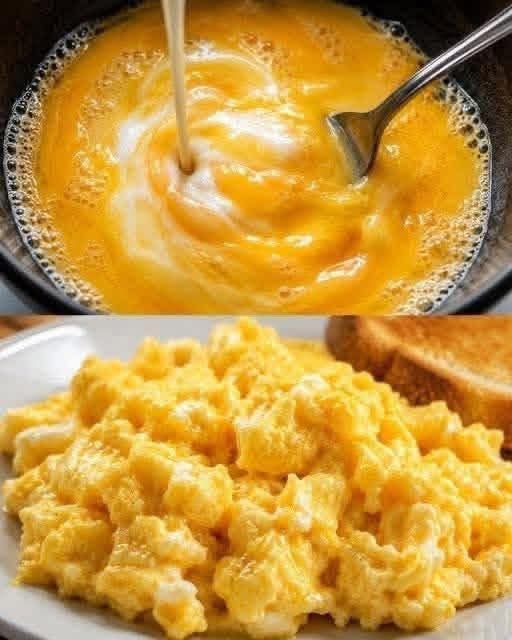
How to Make Perfect Scrambled Eggs Every Time
There’s something comforting about a warm plate of creamy scrambled eggs in the morning. Simple, quick, and packed with protein, scrambled eggs are one of the easiest breakfasts you can make — but getting them perfectly soft and fluffy every time is all about technique.
Why You’ll Love This Recipe
- Ready in under 10 minutes
- Soft, creamy texture
- High in protein
- Healthy and filling
- Perfect for breakfast, brunch, or even a light dinner
Ingredients
- 4 large eggs
- 2 tablespoons milk or cream
- 1 tablespoon butter
- Salt, to taste
- Black pepper, to taste
- Fresh chives or parsley (optional)
Instructions
1. Crack and Whisk
Crack the eggs into a bowl. Add the milk or cream, a small pinch of salt, and whisk until the mixture becomes smooth and slightly frothy.
2. Heat the Pan
Place a nonstick skillet over low to medium-low heat. Add the butter and let it melt slowly without browning.
3. Cook Slowly
Pour the eggs into the pan. Let them sit for a few seconds, then gently stir using a spatula. Push the eggs from the edges toward the center in slow movements.
4. Remove Before Fully Set
When the eggs are mostly cooked but still slightly glossy, remove the pan from the heat. The residual heat will finish cooking them perfectly.
5. Season and Serve
Add black pepper and extra salt if needed. Top with fresh herbs and serve immediately.
Tips for the Creamiest Scrambled Eggs
- Cook on low heat for soft, tender eggs
- Stir gently instead of constantly whisking
- Remove from heat early to avoid dry eggs
- Butter gives better flavor and texture than oil
- Cream or milk makes the eggs richer and softer
Serving Ideas
Serve your scrambled eggs with:
- Toasted bread
- Avocado slices
- Fresh tomatoes
- Turkey bacon or smoked salmon
- Sauteed spinach or mushrooms
Storage
Scrambled eggs are best fresh, but leftovers can be stored in the refrigerator for up to 2 days. Reheat gently over low heat to keep them soft.
Final Thoughts
Perfect scrambled eggs don’t require fancy ingredients — just patience and gentle cooking. Once you try this creamy method, you may never go back to dry, rubbery eggs again.